In a world where millions of songs are available within seconds through Spotify, Apple Music, and other streaming services, music has become more convenient than ever. However, along with this convenience, many listeners have lost the sense of the true value of a physical music format. An album has ceased to be an event and has become just another file in an endless digital library. Against this backdrop, vinyl records are experiencing an unprecedented revival. Global vinyl sales continue to grow year after year, while new releases are being issued simultaneously in both digital formats and classic LP editions. How did a format that is more than a century old manage not only to survive but also to become a symbol of high-quality music listening once again?
The story began back in 1877, when Thomas Edison introduced the phonograph, a device capable of recording and reproducing sound using wax cylinders. It was a remarkable breakthrough for its time, although these early media were fragile and inconvenient to use. By the end of the 19th century, shellac records spinning at 78 RPM replaced the cylinders. They offered better sound quality but remained heavy, brittle, and could only hold a few minutes of music on each side.
A true revolution came in 1948 when Columbia Records introduced the long-playing LP record, made from polyvinyl chloride (PVC) and spinning at 33⅓ RPM. The new material was lighter, stronger, and allowed up to twenty minutes of music per side. This innovation became the industry standard for decades. During the 1960s and 1970s, vinyl entered its golden age. The widespread adoption of stereo sound dramatically enhanced the listening experience, while large, beautifully designed album covers became a unique form of artistic expression. For many musicians, the album artwork became almost as important as the music itself.
By the late 1980s, everything changed. Compact discs, followed by MP3 technology and digital streaming services, introduced portability, durability, and instant access to vast music libraries. Vinyl sales declined rapidly, and many manufacturers stopped producing turntables altogether. Nevertheless, the format never disappeared. DJs, collectors, and dedicated analog enthusiasts continued to embrace vinyl, unwilling to give up its unique listening experience.
Today, vinyl is enjoying a true renaissance. Virtually every major artist, from legendary rock bands to today's biggest pop stars, releases albums on vinyl. For many listeners, a record is no longer just a storage medium but also a cultural artifact, a collectible item, and a stylish addition to modern home interiors.
The popularity of vinyl is driven by much more than nostalgia or fashion. Playing a record becomes a meaningful ritual. Taking the record out of its sleeve, carefully holding it by the edges, cleaning it with a carbon fiber brush, placing it on the platter, starting the rotation, and gently lowering the stylus all create an experience that encourages focused listening. Unlike digital playlists, where music often plays in the background, vinyl invites listeners to fully immerse themselves in the album.
Equally important is the sound itself. Many music lovers describe analog recordings as warmer, richer, and more natural. Rather than striving for perfect mathematical precision, analog playback preserves the character of the performance, subtle dynamic nuances, and the atmosphere of the original studio recording. This unique quality makes vinyl especially appealing even to people who have spent years listening exclusively through streaming platforms.
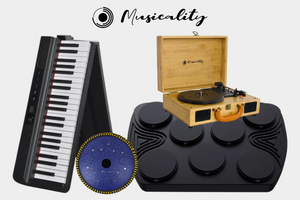
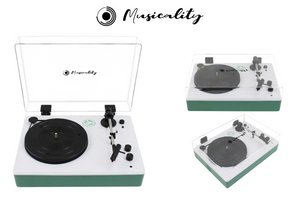
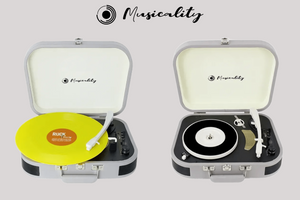
Modern turntables have also become significantly easier to use than their predecessors. Many models feature built-in phono preamps, allowing direct connection to powered speakers without additional equipment. Bluetooth connectivity enables wireless audio streaming to compatible speakers or headphones, while factory-installed cartridges from trusted brands such as Audio-Technica and Ortofon deliver impressive sound quality right out of the box. As a result, entering the world of analog audio has never been easier or more accessible.
The world of analog sound is no longer reserved exclusively for collectors and experienced audiophiles. Today, discovering vinyl does not require spending thousands of dollars or mastering complicated setup procedures. Many modern turntables are ready to play almost immediately after unboxing, providing an enjoyable listening experience without unnecessary complexity.
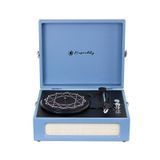
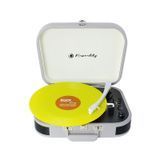
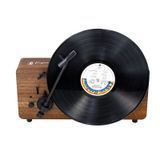
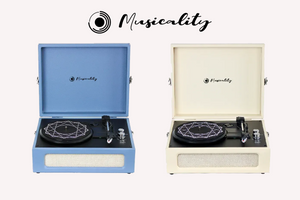
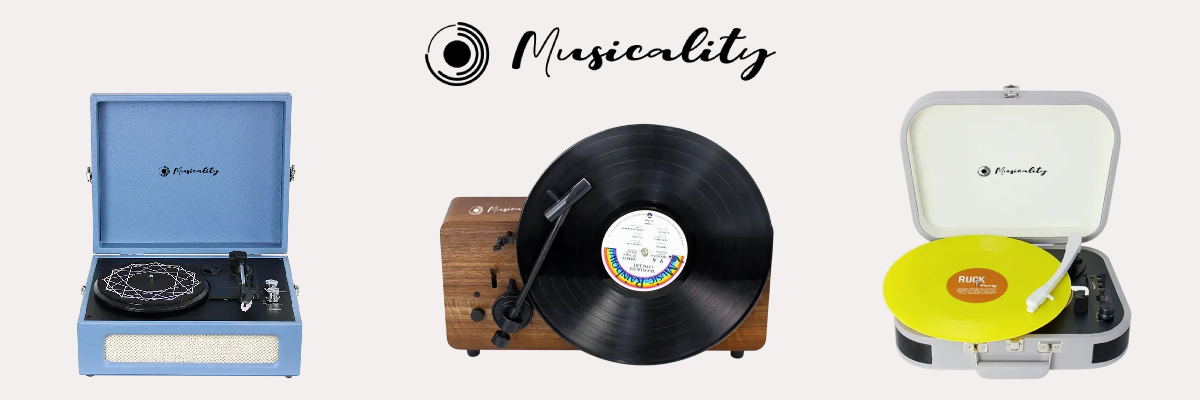
Our store offers vinyl turntables for every level of experience, from affordable entry-level models designed for newcomers to premium solutions for demanding audiophiles seeking exceptional detail and authentic analog performance. Whether you are taking your first steps into the world of vinyl, looking for a stylish centerpiece for your home, or upgrading your existing audio system, you will find a model that perfectly matches your needs. Start your own vinyl journey today and rediscover the joy of music that is meant not only to be heard but truly experienced.