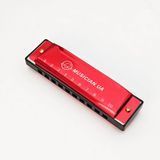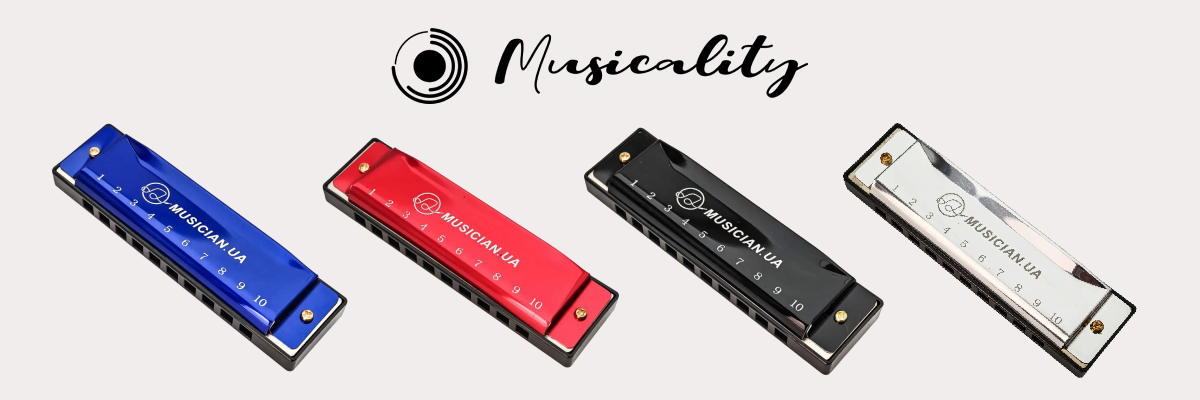
A harmonica is not just a compact musical instrument, but a full-fledged “contact” accessory that interacts with breathing, moisture and the microflora of the oral cavity every day. That is why caring for a harmonica is not only a matter of sound, but also of hygiene. Moisture accumulating inside can negatively affect the harmonica’s reeds, causing them to “stick” and lose sensitivity, as well as creating an environment for the development of bacteria.
It is important to understand that the material of the case directly determines the method of servicing the instrument. If you have a model with a plastic case, for example, a modern blues harmonica with an ABS plastic comb, you can carefully wash it with water without risking damage. Wooden cases are much more sensitive to moisture, since wood has the property of swelling, deforming and changing geometry, which affects tightness and sound. Metal cases made of aluminum or stainless steel withstand cleaning well, but require delicate treatment to avoid scratches and oxidation.
Daily care is the basis for proper operation of the instrument and does not take much time. After each game, it is recommended to carefully shake off the condensate by lightly tapping the harmonica against the palm of your hand to remove excess moisture from the channels. After that, it is worth wiping the covers with a soft microfiber cloth to remove traces of moisture and saliva residues. It is equally important to let the instrument dry completely before putting it in a harmonica case, because a closed, humid environment significantly accelerates the accumulation of dirt and bacteria. When it comes to more serious cleaning, the question arises of how to clean the harmonica correctly and without the risk of damage. Deep cleaning begins with careful disassembly of the instrument, for which it is necessary to use appropriate screwdrivers so as not to tear off the screws. After removing the covers, access is opened to the boards with reeds, which are cleaned with a soft toothbrush using a weak soap solution or specialized products. It is important to remember that the movements should be directed from the base of the reed to its tip, as the wrong direction can lead to deformation. For additional hygiene, the harmonica is disinfected with isopropyl alcohol, which is safe for metal and plastic parts and effectively eliminates microorganisms.
Proper storage of the instrument is no less important than its cleaning. Carrying the harmonica simply in your pocket can lead to dust, lint and crumbs, which subsequently settle on the internal elements. That is why it is worth using a high-quality harmonica case that protects the instrument from mechanical damage and contamination. You should also avoid storing the harmonica in direct sunlight or near heat sources, as temperature changes can negatively affect the materials and settings.
There are also actions that should not be allowed during operation. Playing immediately after eating, especially sweet foods, contributes to the rapid accumulation of sticky residues inside the instrument. The use of aggressive household chemicals can damage metal and plastic, and attempts to straighten the reeds yourself with sharp objects without experience often lead to irreversible damage.
Regular and competent care of the harmonica allows you to maintain a clean sound, extend the life of the instrument and avoid unpleasant malfunctions. We recommend paying attention to this from the first days of use, because the right habits form not only the quality of the game, but also trust in the instrument. And if you are looking for your first harmonica, we recommend going to our catalog to view the full range of Musicality harmonicas and choose the instrument that is right for you.