The “Blue Light” Trap at 10:00 PM
The work laptop is finally closed, but your hand is already reaching for your smartphone. A few messages, a short video, a quick look at the news — and instead of a long-awaited break, another hour in front of a screen begins. The device changes, yet your attention keeps working: following, comparing, reacting.
This evening trap has a familiar name: “blue light.” Yet the feeling of overload is also linked to the stream of content itself. After a day filled with work chats, calls, and city noise, even an entertainment feed can feel like an endless extension of your to-do list.
Moving abruptly from that pace into silence can be difficult, too. As soon as external distractions fade, unfinished tasks and tomorrow’s meetings come to mind. A small transitional ritual can help here: dim lighting, a comfortable spot, and live acoustic sound that is easy to follow.
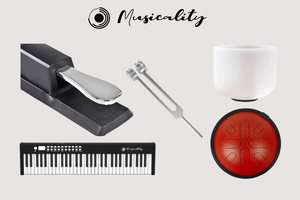
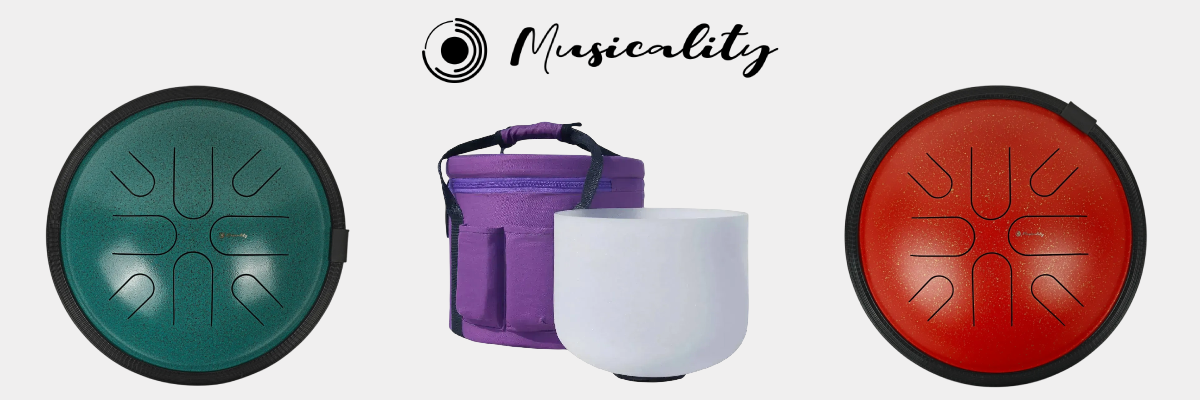
A steel tongue drum and an Eso quartz singing bowl give your attention a simple anchor. You feel your hand move, hear a note begin, and wait for it to fade. For the next fifteen minutes, that is enough.
Why a Steel Tongue Drum and a Quartz Singing Bowl?
These instruments complement each other in an interesting way. The steel tongue drum creates individual, gentle sound accents, while the bowl allows you to move gradually toward sustained resonance and longer pauses.
You do not need a musical education to get started. Sound comes from vibrations in the material: a light strike sets a steel tongue on the drum in motion, while rubbing a special mallet around the bowl’s rim sustains its sound. You can begin with a single movement and attentive listening.
The Steel Tongue Drum: Earth and Structure
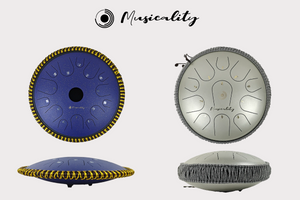
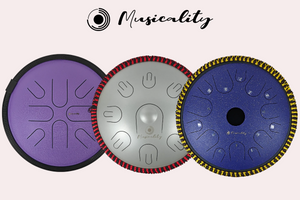
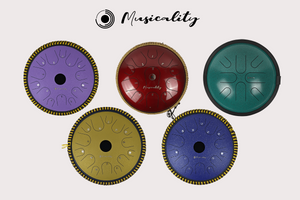
The warm, rounded tone of a steel tongue drum is well suited to unhurried playing. Each tongue is already tuned to a specific note, so you do not need to find it with your fingers or control its pitch. For example, the compact Musicality HD10 HappyDrum has a ten-inch copper-steel body and eight single tongues tuned to the Japanese Tone scale. Mallets and a carrying case are included.
The phrase “there are no wrong notes” is best understood as permission to explore the instrument freely. The character of the note combinations depends on the particular scale, but an evening practice does not require you to perform a finished composition. Simply choose two or three notes you enjoy and leave space between them.
Slow strikes can provide a useful reference point for observing your breathing. You notice an inhalation, make a gentle movement as you exhale, and listen as the metal gradually falls silent.
The Eso Quartz Singing Bowl: Air and Space
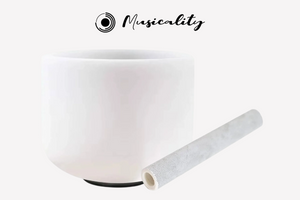
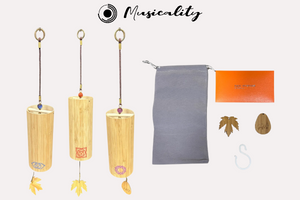
A quartz singing bowl brings a different quality of sound to the ritual. Instead of a sequence of short notes, you hear a sustained tone with subtle overtones. Musicality Eso bowls are made from crystalline quartz, and the series includes models in various sizes and note tunings.
The sustained resonance allows you to focus on small changes in the sound: its gradual build, its echoes, and its fading away. Listening in this way may help shift your attention away from everyday inner dialogue. You do not need to force yourself to “think about nothing” — simply keep bringing your attention back to what you hear.
Fifteen Minutes for a Peaceful End to the Day
Minutes 1–3: Prepare Your Space
Leave your smartphone in another room, or turn off notifications and put it out of sight. A rough sense of time is enough for this short practice; there is no need to check the screen every minute.
Turn on a soft light to one side. Sit on a mat, a folded blanket, or a chair so that your back is comfortably supported and your shoulders remain relaxed. Place the instruments nearby so you can reach them without bending or straining.
Before you begin, listen to the room. Notice the sounds outside the window, the feel of the fabric, and the position of your hands. This is already part of your transition into rest.
Minutes 4–8: Find an Anchor in the Sound of the Steel Tongue Drum
Pick up the soft-tipped mallets and gently tap one tongue. Allow the mallet to bounce back immediately and let the note ring out. Make the next strike only when you feel ready to hear another note.
Alternate between tongues intuitively, without a set sequence. Begin with two notes, then add a third if you wish. Keep the volume comfortable for a quiet evening.
Gradually bring your attention to your breathing. Try making one gentle strike during an exhalation, leaving the inhalation for listening. Breathe freely, without holding your breath or making an effort. There is no required melody or correct tempo here — only movement, sound, and a pause.
Minutes 9–13: Move to the Resonance of the Eso Bowl
Put down the mallets and wait for the steel tongue drum’s last note to fade. Make sure the bowl is resting securely on a suitable support ring.
Use a mallet designed for quartz singing bowls and recommended for your model, such as one with a suede or silicone playing surface. Begin moving it smoothly around the outside of the bowl’s rim, maintaining even contact. Do not rush to increase the pressure: first, find a movement that lets the sound build without a harsh scraping noise.
Once the resonance becomes clear, focus on its nuances. Listen to how it reflects off the walls and changes after your hand stops moving. You do not have to sustain the sound for all five minutes. Short periods of playing with pauses in between allow you to get a better feel for the instrument.
You can imagine this stage as freeing your attention from an excess of impressions: for a few minutes, a single sound remains at the centre.
Minutes 14–15: Leave Room for Silence
Stop moving the mallet and wait for the bowl to fall silent. Allow roughly a minute and a half to sit quietly without doing anything new.
Rest your palms on your knees, relax your jaw, and feel the support beneath your body. Thoughts may arise — let them pass, returning your attention to your breathing and the sounds in the room.
Finish the practice without rushing. Put the instruments away, dim the lights, and move on to your usual bedtime preparations. Let these fifteen minutes mark the end of your day’s information intake.
How to Begin Without Musical Experience
The most useful skill for playing a steel tongue drum is a light grip. Hold the mallet securely without squeezing your fingers too tightly. Move from a relaxed wrist and lift the tip away from the tongue immediately after striking it. If you leave it pressed against the metal, the vibrations will quickly fade and the note will be cut short.
A quartz singing bowl needs a stable base. A suitable silicone ring separates it from the hard surface beneath, helping prevent slipping and unwanted rattling at the point of contact. Set the bowl down level and leave enough room around it for your hand to move. To produce sound, use an accessory designed specifically for this type of instrument.
A home practice corner can take up very little space. A compact steel tongue drum is easy to store in its case beside an armchair or on a lower shelf. For the bowl, choose a stable surface away from the edge, and use a protective case for long-term storage. When the instruments are easy to reach, it is easier to make the evening ritual a habit.
When choosing a sound, trust your own ears. Some people prefer lower, richer tones; others enjoy brighter, more ringing sounds. If you plan to play both instruments at the same time, listen to them together or check that their tunings are compatible when making your choice.
Create Your Own Space of Quiet with Musicality
An evening well spent is an investment in your attention, well-being, and energy for the next day. Sometimes, all it takes is a small change: put away your smartphone, sit comfortably, and give yourself time to listen to a single note until it fades completely.
A steel tongue drum and an Eso quartz singing bowl help fill this pause with live sound. You choose the volume, pace, and duration, gradually finding a ritual you enjoy returning to.
Choose a compact steel tongue drum and an Eso quartz singing bowl tuned to a note you enjoy from the Musicality catalogue. The store offers delivery across Ukraine — all that remains is to find your sound and set aside fifteen minutes of your evening for it.